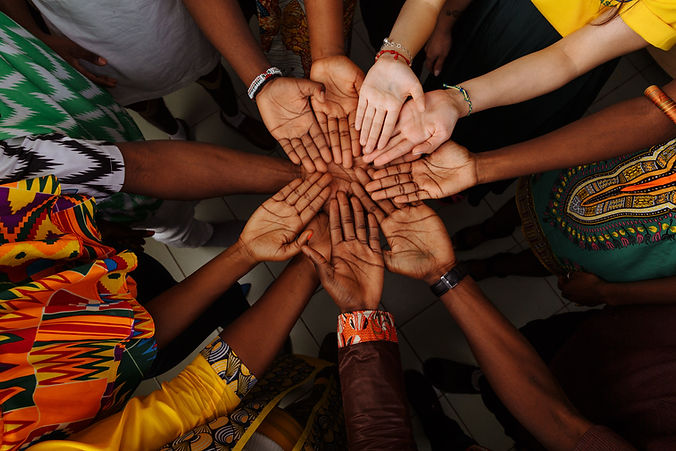
Culture & Identity
A place where every part of who you are belongs.
Our identities shape how we see ourselves, how we relate to others, and how we navigate the world. Yet it isn't always easy to reconcile the expectations of our families, cultures, communities, and society with the person we want to become.
Therapy can be a place to explore these experiences, make sense of competing expectations, and develop a stronger understanding of yourself. You deserve to feel that you can bring your whole self into the room.
When Your Identity Shapes Your Experience
You can love where you come from and still want something different for yourself.
Maybe you've spent years navigating expectations that don't fully reflect who you are or the life you want to build. You may feel deeply connected to your family and cultural background while struggling with certain traditions, beliefs, or expectations. Perhaps you've learned to move between different worlds, adjusting how you speak, act, or present yourself depending on who's around.
For some people, these experiences bring questions about belonging, self-worth, and identity. For others, the challenge is navigating racism, feeling misunderstood, or carrying the pressure of being a representative of an entire community. You may find yourself balancing your own needs with a strong sense of responsibility to your family or the people you care about.
These experiences can be difficult to explain to someone who hasn't considered how culture and identity influence everyday life.
In therapy, you don't have to minimize these experiences or spend your time explaining why they matter. We can explore how they've shaped you, what you want to carry forward, and what you may be ready to do differently.
What You Might Be Navigating
Your experiences are shaped by more than one part of who you are.
Family, Culture & Expectations
You feel pulled between honoring your family and making choices that reflect your own values. You may be navigating expectations around career, relationships, marriage, independence, or what it means to be a good daughter, son, partner, or family member.
Belonging & Identity
You sometimes feel caught between different worlds, unsure where you fit or which parts of yourself feel safe to share. You may be exploring your racial, ethnic, cultural, or other identities and what they mean to you personally.
Racism, Bias & Feeling Misunderstood
Experiences of discrimination, microaggressions, stereotyping, or exclusion may leave you questioning yourself, feeling exhausted, or wondering how much of your experience others will understand. You may be tired of having to explain, anticipate, or navigate these situations.
Finding Your Own Voice
You are working to distinguish what you genuinely want from what you've been taught to expect of yourself. You may be learning to set boundaries, challenge inherited beliefs, or make decisions that feel right for you—even when others may not understand them.
Making Sense of the Different Parts of Yourself
You don't have to choose between honoring your roots and becoming your own person.
Our work can help you explore the questions that arise when your identity, relationships, and personal goals don't always seem to fit neatly together.
Together, we can work toward:
-
Understanding your story. Explore how your family, culture, community, and life experiences have shaped your beliefs about yourself and the world.
-
Navigating competing expectations. Find ways to honor important relationships and cultural traditions while making room for your own needs, values, and ambitions.
-
Building a stronger sense of self. Develop greater clarity about who you are beyond the roles and expectations you've carried.
-
Working through difficult experiences. Make sense of the emotional impact of discrimination, exclusion, or feeling that you need to adapt yourself to be accepted.
-
Creating healthier boundaries. Learn to communicate your needs and make choices that reflect your values, even when doing so brings discomfort or uncertainty.
-
Finding a sense of belonging. Explore what connection, community, and feeling at home in yourself can look like on your own terms.
The goal isn't to reject where you come from or resolve every difference between your values and those of the people around you. It's to help you decide what matters to you and build a life in which more parts of yourself can coexist.
A Culturally Responsive Approach to Therapy
You shouldn't have to leave important parts of your identity outside the therapy room.
As a woman of color, I recognize the importance of considering how culture, identity, and lived experience shape a person's understanding of themselves and their place in the world. I also know that no two people experience their identities in exactly the same way.
I approach therapy with curiosity about your individual story, including the family and cultural influences, social expectations, and experiences that have shaped you. You won't be expected to fit into assumptions about your background or explain every aspect of your experience before we can begin meaningful work.
Whether you're navigating family expectations, questions of belonging, the impact of discrimination, or the process of defining your own values, our work will be grounded in your experiences and what you want for your life.
You deserve a therapeutic relationship where your identity is welcomed as part of the conversation, and where there's room to explore it with honesty, nuance, and care.
My Experience & Expertise
A longstanding interest in how culture and identity shape our mental health.
My interest in the relationship between culture, identity, and mental health has been an important part of my work as a psychologist, both clinically and academically.
I earned my Ph.D. in Clinical Psychology from Fairleigh Dickinson University, where my dissertation examined acculturation and mental health perspectives among Asian Indian populations. Earlier in my career, I also contributed to research examining depression among African Americans, including work that explored the relationship between race and mental health.
My clinical training has included working with individuals and families from diverse racial, ethnic, cultural, religious, and sexual identities across outpatient, hospital, and private practice settings. I have also been involved with the American Psychological Association’s Society for the Psychological Study of Culture, Race, and Ethnicity, reflecting my longstanding interest in understanding mental health within its broader social and cultural context.
This background informs how I approach therapy today. I recognize that our experiences cannot always be understood apart from our families, cultural backgrounds, communities, and the environments in which we live. My goal is to understand your experience as you understand it, while helping you explore how these influences shape your relationships, your sense of self, and the life you want to create.

You deserve to be understood in the context of your whole life.
If you're navigating questions of culture, identity, belonging, or family expectations, therapy can be a place to explore what these experiences mean to you and how you want to move forward.
You don't need to have everything figured out before you begin.